Interactive 360º Image Rotator/Viewer Plugin - Turntable.js v2
| File Size: | 1.08 MB |
|---|---|
| Views Total: | 6869 |
| Last Update: | |
| Publish Date: | |
| Official Website: | Go to website |
| License: | MIT |
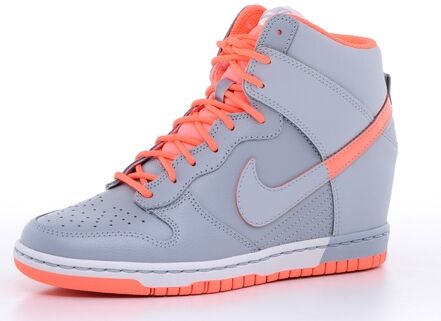
Turntable is a lightweight, frame-flipping 3D rotator that turns a sequence of still images into a 360-degree product viewer you can drive with pointer movement, scroll position, or automatic cycling.
Create a list of <li> elements marked up with data-img-src attributes, call new Turntable(selector, options), and the library manages frame switching, image loading, and input handling from there.
Turntable Version 2 is a complete rewrite. jQuery is gone. The distribution now ships as ESM, CommonJS, and a standalone IIFE build that puts Turntable on window.
The HTML structure from v1 carries over unchanged, so switching an existing project from the jQuery plugin to v2 is a two-line script change.
More 360-degree Image Viewers:
Features:
- Zero external dependencies and roughly 4 KB minified in the IIFE build.
- Three drive modes: horizontal pointer position, vertical pointer position, and viewport scroll position.
- Autorotate support with a configurable milliseconds-per-frame interval that starts on init.
- Two-way binding with an
<input type="range">element for manual frame scrubbing alongside automatic playback. - PointerEvents-based input that covers mouse, touch, and stylus through one handler, no UA sniffing required.
requestAnimationFramecoalesces rapid pointer and scroll events to one DOM write per paint cycle.IntersectionObservergates the scroll handler so off-screen instances perform no scroll work.- Image creation through
.srcassignment on a programmatically created<img>element, noinnerHTMLwrites. - Direct-child
:scope > ul > liscoping prevents nested lists in author markup from interfering with the frame set. - Ships as ESM, CJS, and IIFE with minified variants, plus a dedicated
turntable.cssfor required layout and touch handling rules. - Public methods for frame jumping, autorotate start and stop, measurement refresh, and full instance teardown.
Use Cases:
- A product page for a camera, watch, or sneaker needs to show the item from every angle.
- An e-commerce listing for footwear or furniture gets a pointer-driven rotator beside the product description.
- A creative portfolio or brand hero section uses autorotate to cycle through a rendered frame sequence on load.
- A product configurator or admin tool needs programmatic frame control.
How to use it:
1. Install and Include the Required CSS/JS Files. For a browser-first setup, download the compiled files and include the CSS before the IIFE script. Turntable v2 does not require jQuery. The browser build exposes Turntable on window.
<link rel="stylesheet" href="dist/turntable.css">
<script src="dist/turntable.iife.min.js"></script>
2. For npm projects, install the scoped package and import the class plus stylesheet.
npm install @goboldlyforward/turntable
import { Turntable } from "@goboldlyforward/turntable";
import "@goboldlyforward/turntable/css";
3. Create a container with a direct ul child. Each frame uses a direct li element with a data-img-src value. Turntable creates the img elements for you. It reads the data-img-src values and assigns each URL through the DOM src property.
<div id="shoeSpin" class="turntable">
  <ul>
    <li data-img-src="images/shoe-angle-01.webp"></li>
    <li data-img-src="images/shoe-angle-02.webp"></li>
    <li data-img-src="images/shoe-angle-03.webp"></li>
    <li data-img-src="images/shoe-angle-04.webp"></li>
    <li data-img-src="images/shoe-angle-05.webp"></li>
    <li data-img-src="images/shoe-angle-06.webp"></li>
  </ul>
</div>
4. Initialize Turntable to create a pointer-driven 360-degree image viewer.
const cameraViewer = new Turntable("#cameraSpin", {
  axis: "x"
});
5. All available configuration options.
axis("x" | "y" | "scroll"): Sets the input direction for frame selection. Use"x"for horizontal pointer movement,"y"for vertical pointer movement, or"scroll"for viewport-driven frame changes.reverse(boolean): Reverses frame order during interaction. Use it when your source images rotate in the opposite direction from the desired UI behavior.scrollStart("top" | "middle" | "bottom"): Sets the viewport anchor for scroll-driven rotation. This option applies only whenaxisuses"scroll".autorotate(false | number): Starts automatic frame cycling on initialization. Pass a number to set the milliseconds per frame.controller(HTMLInputElement | null): Connects a range input to the viewer. User range changes set the frame, and viewer frame changes update the range value.
6. API methods.
const viewer = new Turntable("#productTurntable", {
  axis: "x"
});

// Jump to a specific frame index.
// The class clamps the value to the available frame range.
viewer.setFrame(3);

// Start automatic frame cycling.
// Pass a number to override the configured interval.
viewer.start(200);

// Stop automatic frame cycling.
viewer.stop();

// Recalculate frame sections.
// Call this after layout changes or after a hidden container becomes visible.
viewer.update();

// Remove listeners, observers, timers, and the active frame class.
viewer.destroy();
Changelog:
v2 (2026-05-30)
- Full rewrite. Drops jQuery; ships as ESM / CJS / IIFE.
About Author:
Author: Morgan J Lopes
Website: http://polarnotion.github.io/turntable/
This awesome jQuery plugin is developed by GoBoldlyForward. For more Advanced Usages, please check the demo page or visit the official website.